Behance Project Image Resizer
Use a 1400×1050 working canvas for a 4:3 Behance project image. Behance displays project images at 1,400 pixels wide; image height remains content-dependent.
Behance project image working size
Behance project image working size: 1400×1050 px working canvas, 1400 px display width
Behance documents a 1,400-pixel Project View width and up to 2,800 pixels in Lightbox, but it does not prescribe a 1,050-pixel height.
1400
width (px)
1050
height (px)
4:3
aspect ratio
Need other dimensions? Browse all Behance sizes or use the free image resizer for any platform.
Sources
We check platform-specific dimensions against source documentation when available.
- Behance Help — Formatting images for display - Documents a 1,400-pixel Project View width, up to 2,800 pixels in Lightbox, and JPEG/PNG guidance.
Prepare the Behance Project Image
Use this 4:3 canvas for a self-contained case-study panel. For tall process work, resize to 1,400 pixels wide with a height that fits the actual content instead.
Check the destination preview
Behance does not require 1400×1050. The width matches Project View; 1,050 pixels is a practical 4:3 working height for this resizer preset.
How to resize an image for a Behance Project Image?
- 1
Step 1: Choose a clear source image
Start with an image that has enough detail for a 1400×1050 export. Enlarging a small source cannot restore missing detail.
- 2
Step 2: Apply the 1400×1050 preset
Upload the image, select the Behance Project Image preset, and choose Fit to preserve the full image or Fill to crop the canvas.
- 3
Step 3: Review and download
Check the crop, text, and edge spacing at the final size, then download the result and preview it in Behance.
1400×1050 px working canvas, 1400 px display width. Behance documents a 1,400-pixel Project View width and up to 2,800 pixels in Lightbox, but it does not prescribe a 1,050-pixel height.
All Behance Image Sizes
Choose another available Behance canvas and review its source notes
Work and design image sizes
Prepare sourced image dimensions for collaboration, portfolio, publishing, and meeting platforms.
- Figma Image ResizerPrepare Figma Community thumbnails, plugin or widget icons, and profile avatars with presets taken from current Figma Help documentation.
- Notion Image ResizerPrepare a 280×280 Notion page icon or a wide page cover that meets Notion’s 1,500-pixel width guidance.
- Behance Image ResizerPrepare Behance project covers, profile banners, and portfolio images using Behance’s current display and upload guidance.
- Slack Image ResizerPrepare a square Slack profile photo at the documented 512×512 minimum.
- Microsoft Teams Image ResizerPrepare Microsoft Teams meeting backgrounds and required full-color or outline app icons with PNG output.
- Dribbble Image ResizerPrepare a Dribbble Shot on a clear 1600×1200, 4:3 working canvas without presenting that size as a platform requirement.
- LinkedIn Ad Image ResizerPrepare square, vertical, and carousel images using current Campaign Manager dimensions.
File tools
Convert the resized image
Need a different file format or transparent background? Choose a focused converter, then check the preview and encoded size before downloading.
Put Your Behance Project Image Image Into a PDF
Put one image on each page, arrange the order, and create the PDF in your browser.
Free tools
Explore Free Creative Tools
Everything you need to make your photos stand out with our free photo editing tools

AI Photo Editor
Edit photos by describing what you want. Remove backgrounds, resize, enhance, add text, and more. Just type your edit in plain English.

Face Swap
Create an AI face-swap image from uploaded photos. Results vary with lighting, pose, source quality, and the faces in each image.
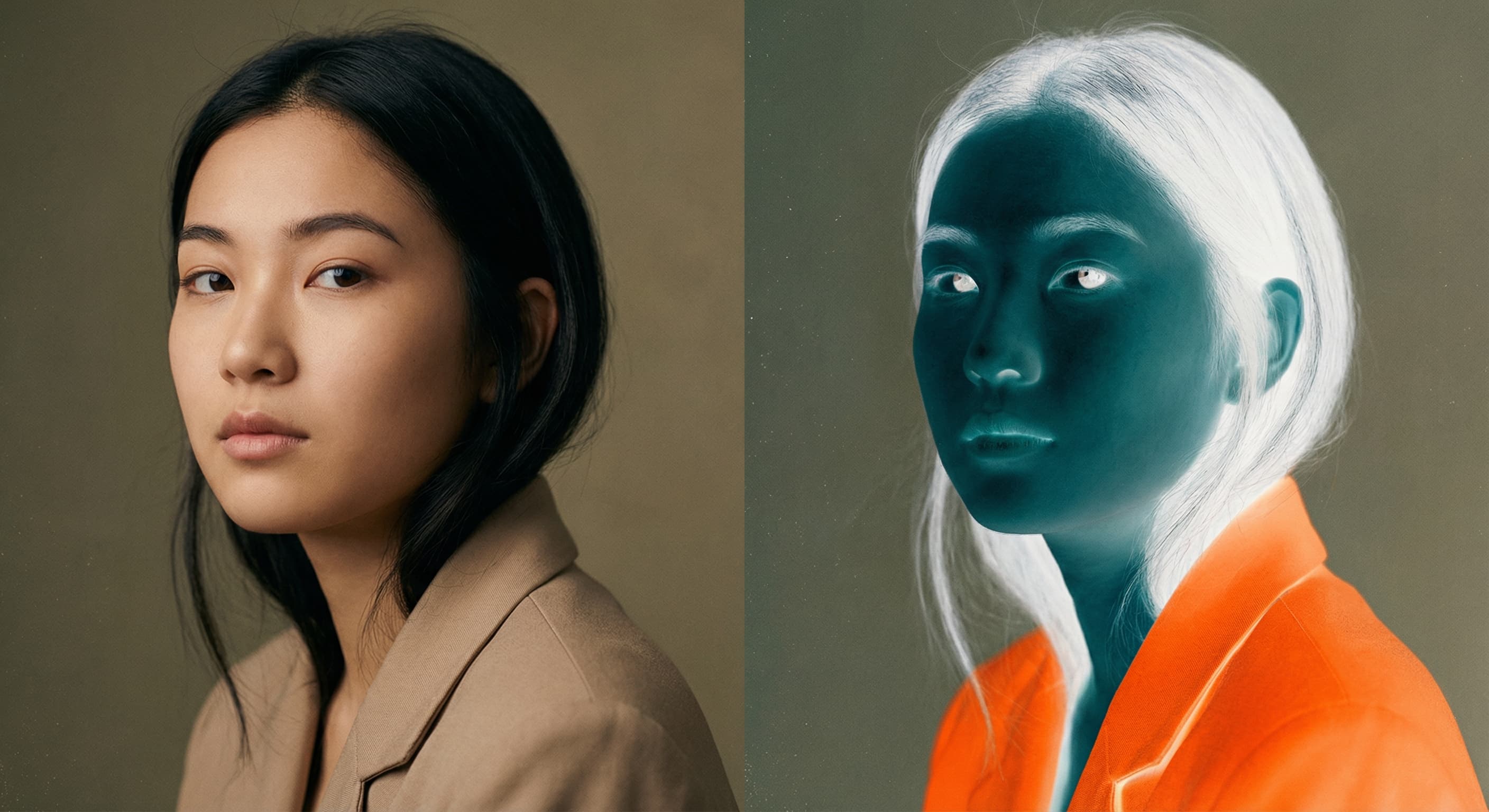
Photo Inverter
Invert photo colors online with four presets, intensity controls, and selective color options. Sign in to use it — AI edits draw from your daily AI credits.

Image Size Converter
Free online image size converter. Resize a photo to exact pixel dimensions (width x height) in JPG, PNG, or WebP. Need a target file size in KB or a format change? We point you to the right tool. No signup.