How to Resize an Image in Canva
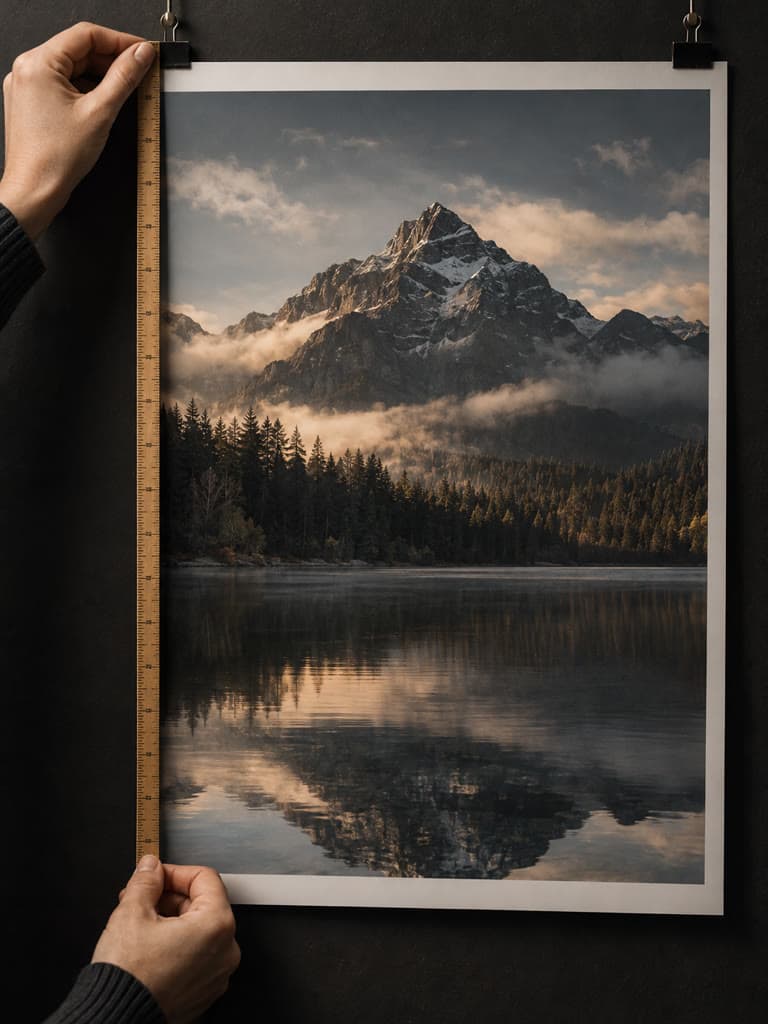
To resize an image in Canva, upload the photo, enter the dimensions you need or choose a preset, and download the result as a JPG or PNG. If the image is already part of a design, first decide whether you need to resize the photo itself or change the dimensions of the entire design. Those are different edits in Canva.
How to resize an image in Canva
Canva's current online image-resizer workflow is:
- Open Canva's image resizer and select Upload your image, or drag and drop the file.
- Enter the target dimensions or choose a preset size.
- Reposition the image if the new aspect ratio changes the framing.
- Download or share the result as a JPG or PNG.
Start with the highest-resolution original you have. Making a small source image much larger cannot restore detail that is not in the original.
Resize a photo inside an existing Canva design
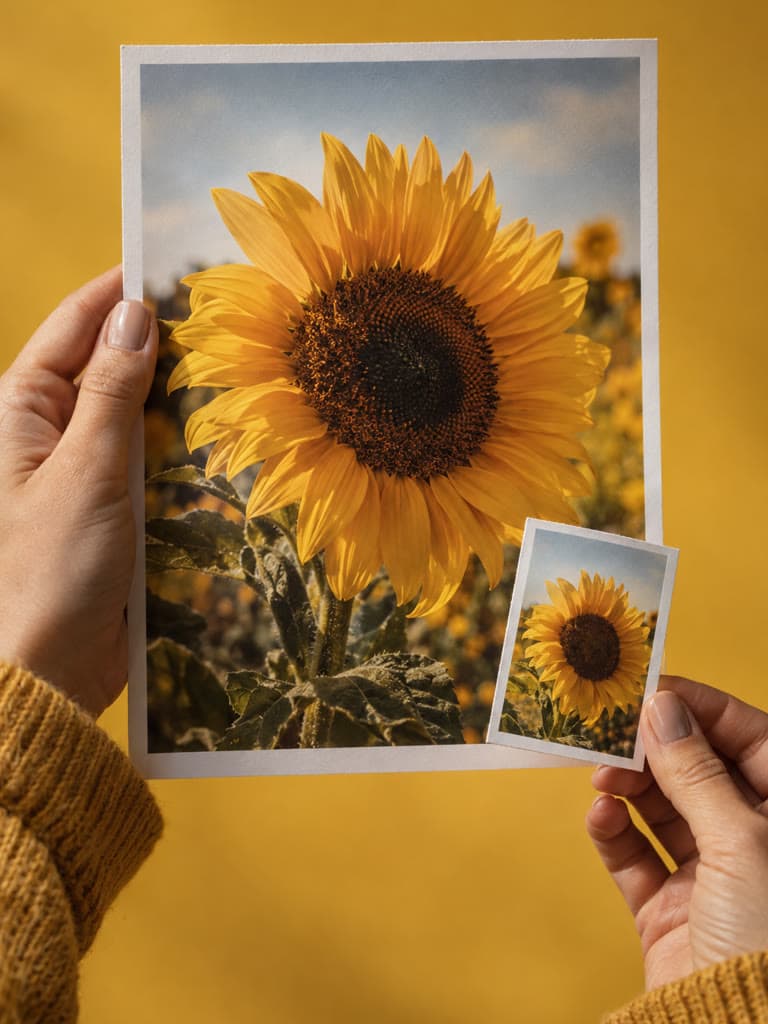
When you only want to change how a photo fits on a page—not the page dimensions—open the design and select the photo. Drag a corner handle to make it larger or smaller while preserving its proportions. Then move the photo into position.
If the photo sits inside a frame, select or double-click it before adjusting the crop and position. Review faces, text, logos, and other important details after resizing so they have not been cut off.
Resize the entire Canva design with Magic Switch
Changing a design from one format to another, such as a square post to a vertical Story, requires resizing the design rather than only the photo. Canva now presents its upgraded Magic Resize feature as Magic Switch on its Magic Resize page, where it is identified as a Canva Pro feature.
- Open the design you want to adapt.
- Open Magic Switch or the resize control shown in your editor.
- Choose a preset format or enter the dimensions you need.
- Create the resized version, then inspect every page for shifted text, clipped images, or extra empty space.
Canva says Magic Switch can resize one design into multiple sizes. Exact labels can vary as Canva updates its editor, so use the resize option visible in your account if the menu wording differs.
If that feature is unavailable in your plan, create a new design at the required size and move your elements into it. Recheck the layout rather than assuming a square composition will translate cleanly to a portrait or landscape canvas.
Crop or resize: which one should you use?
Use resize when the output needs different pixel dimensions or scale. Use crop when you want to remove part of the image or change its composition. Canva's crop tool guidance makes the same distinction: cropping removes unwanted areas, while resizing changes the image dimensions.
To crop in Canva:
- Select the image and choose Crop.
- Adjust the visible area or choose an aspect ratio.
- Apply the crop and check that the main subject is still framed correctly.
Cropping a horizontal image into a vertical frame will remove content from the sides unless you use another technique to extend or pad the canvas.
Download the resized image
After checking the layout, download the design as JPG or PNG. JPG is usually the practical choice for photographs; PNG is useful when you need lossless graphics or transparency and the selected Canva export options support it. Open the downloaded file and confirm its pixel dimensions before publishing.
If you only need to resize one JPG, PNG, or WebP file to exact pixels or a social-media preset, the Instasize image resizer provides a focused browser workflow and downloads the resized result as a JPG.
Avoid common resizing problems
- Do not stretch the photo: Preserve the aspect ratio unless distortion is intentional.
- Check the crop after changing formats: A subject centered in a square may be clipped in a vertical layout.
- Keep important content away from edges: Platform interfaces can cover or trim edge content.
- Inspect each resized page: Automated layout changes can move text and other elements.
- Verify the exported file: Confirm its dimensions, framing, and image quality rather than relying only on the editor preview.
The fastest path is to match the tool to the task: resize the image for new pixel dimensions, crop it for a tighter composition, or resize the full design when adapting a layout to another format.